0
BAR
Pressure
The precise force that extracts essence from ground beans — Gaggia's revelation that nine atmospheres could coax crema from coffee, turning physics into flavor.
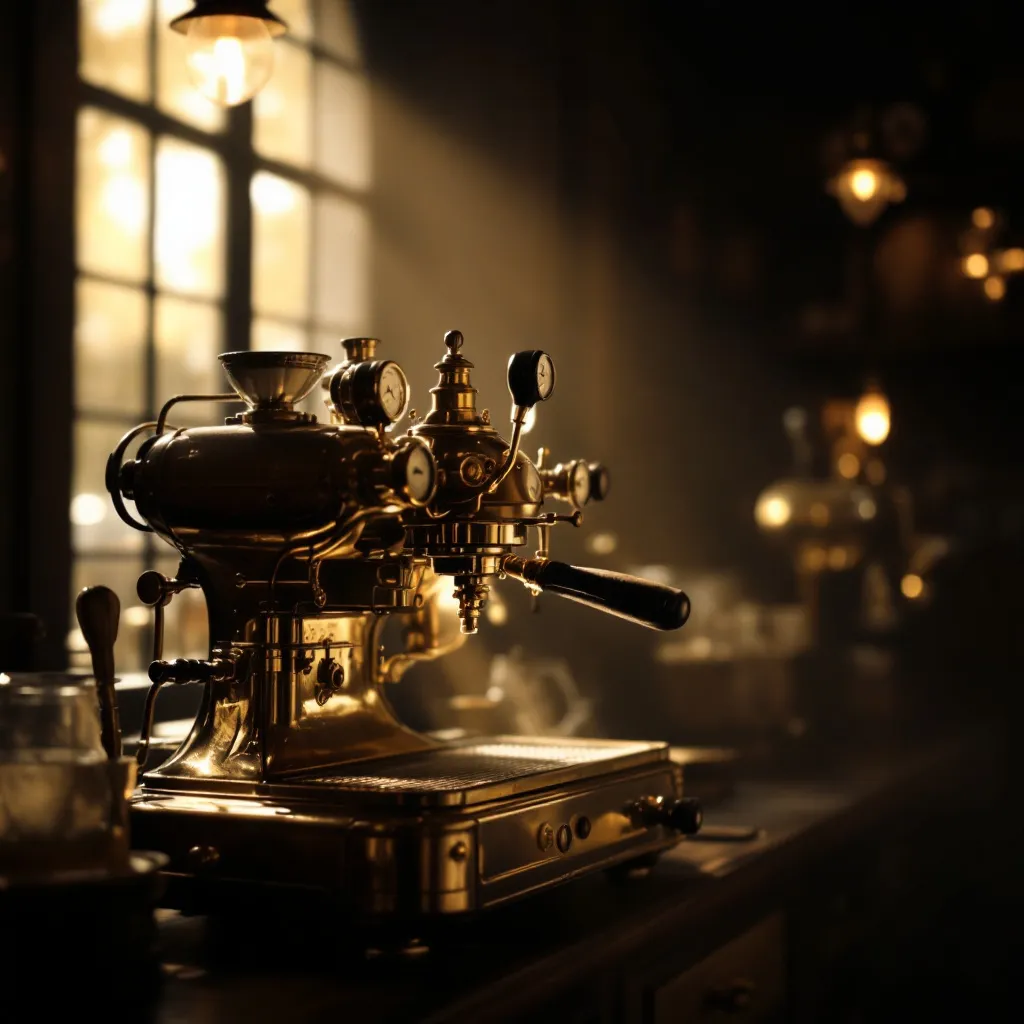
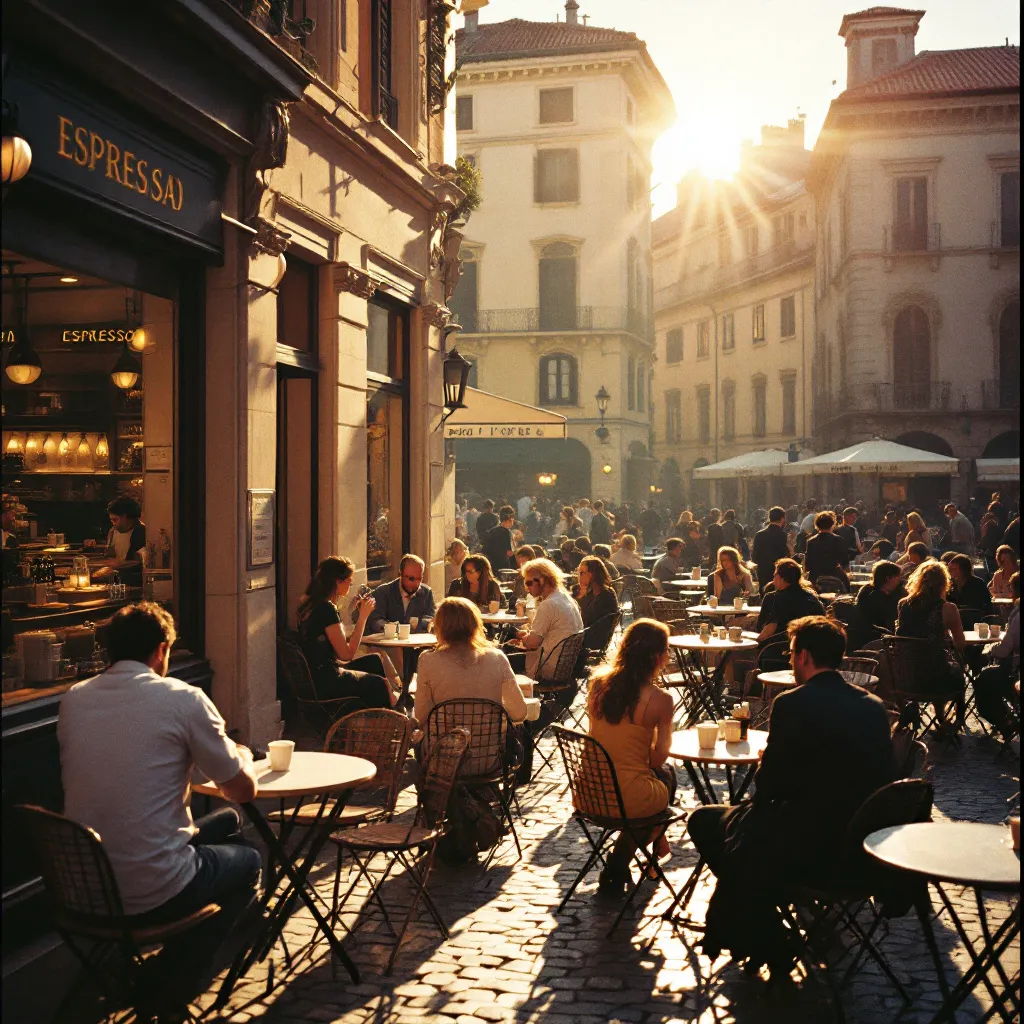
Espresso was invented in early 1900s Italy not for flavor alone, but to serve coffee faster — factory workers and city dwellers demanded speed, and the machine answered. Angelo Moriondo's 1884 prototype in Turin, the first steam-driven brewer, set the stage for a revolution. Pressure, heat, and urgency fused into a ritual that would define modern coffee culture, transforming caffeine from leisure into velocity.
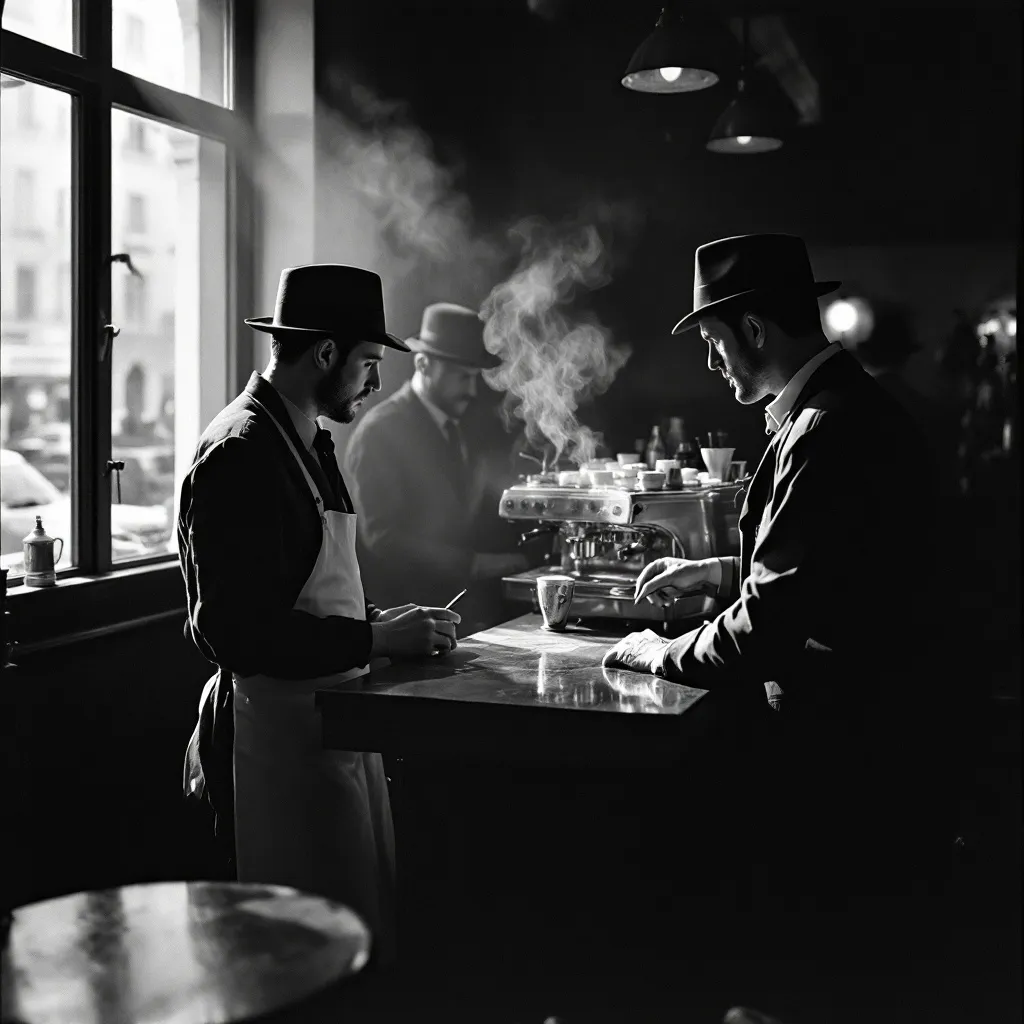
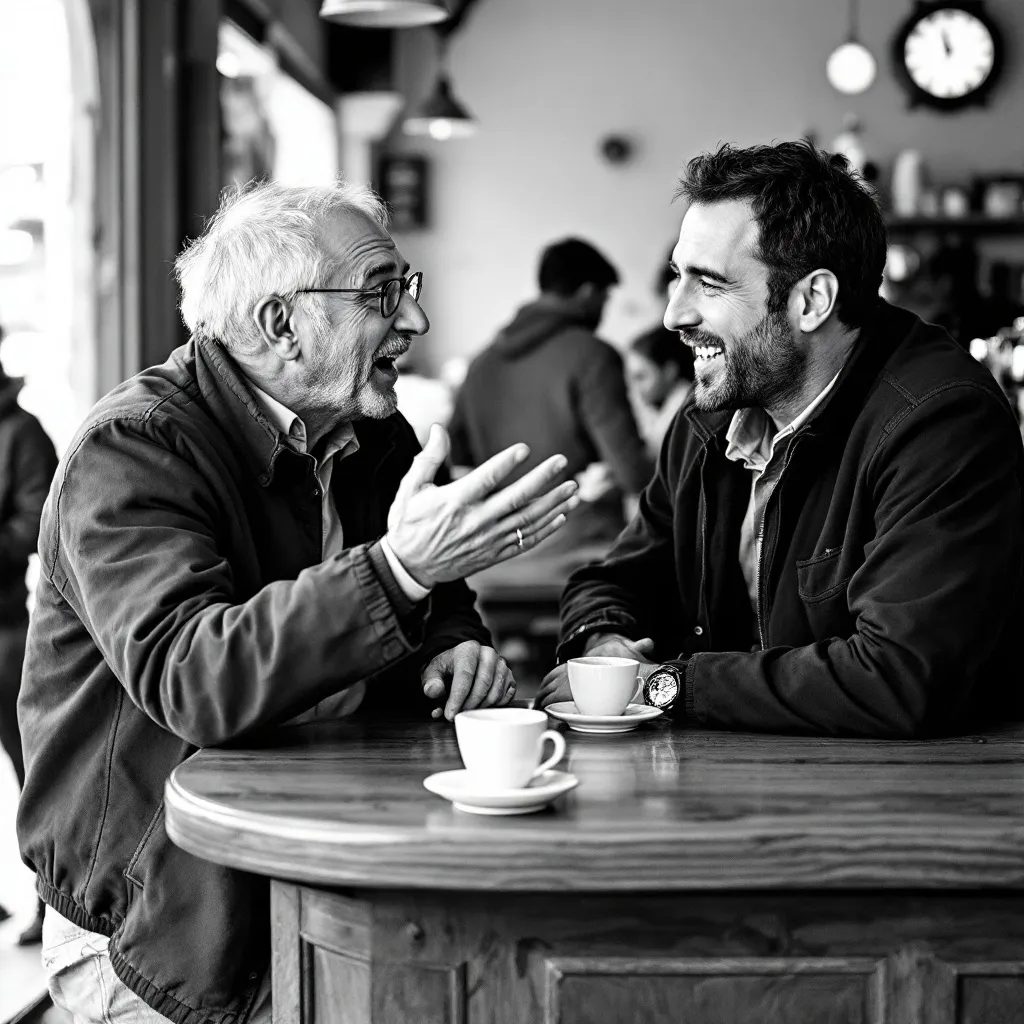
In post-war Italy, espresso became a social rite: you stood at the bar, exchanged a word with the barista, drank your shot in two sips, and left. No laptops, no lingering — just a moment of intensity. The café was theater, the counter a stage, and every espresso a three-act drama: the hiss, the pour, the crema. Italians called it 'un caffè' — the definite article implied there was only one true coffee.
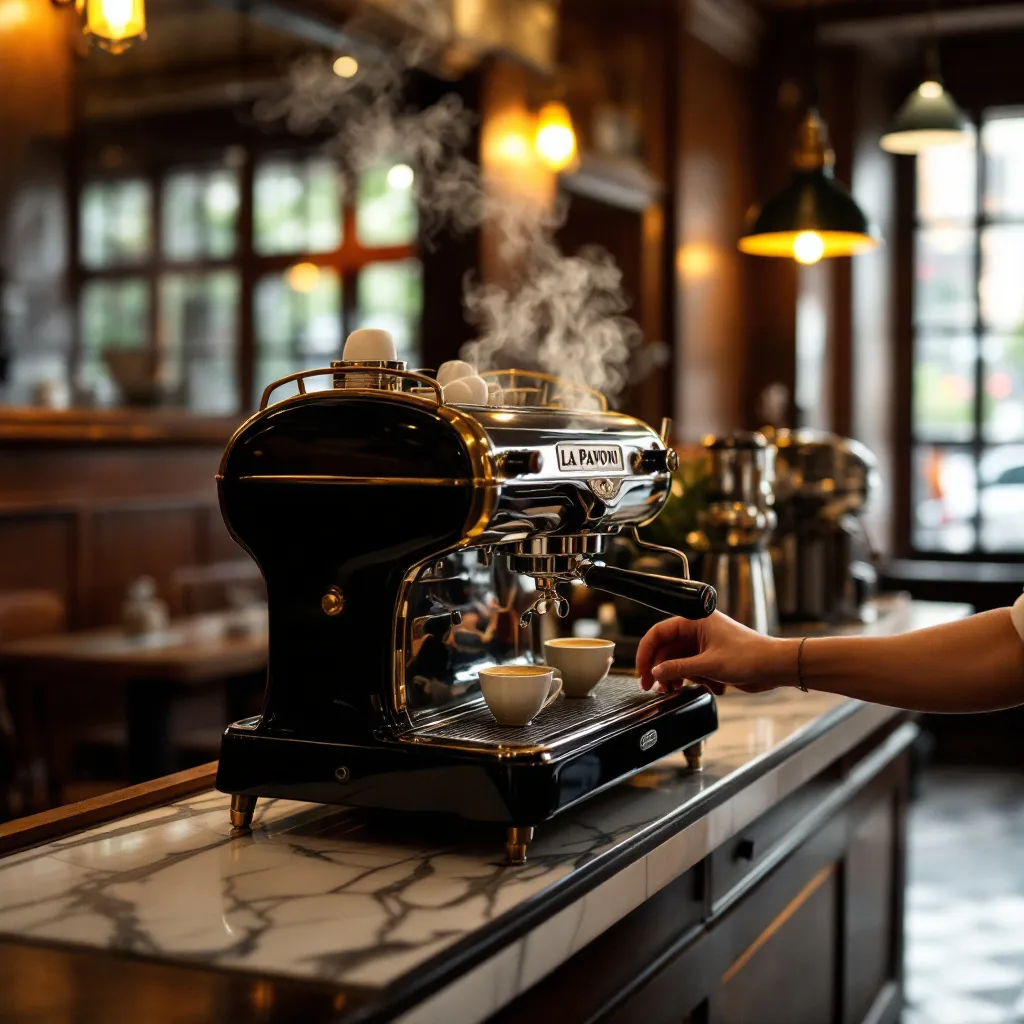
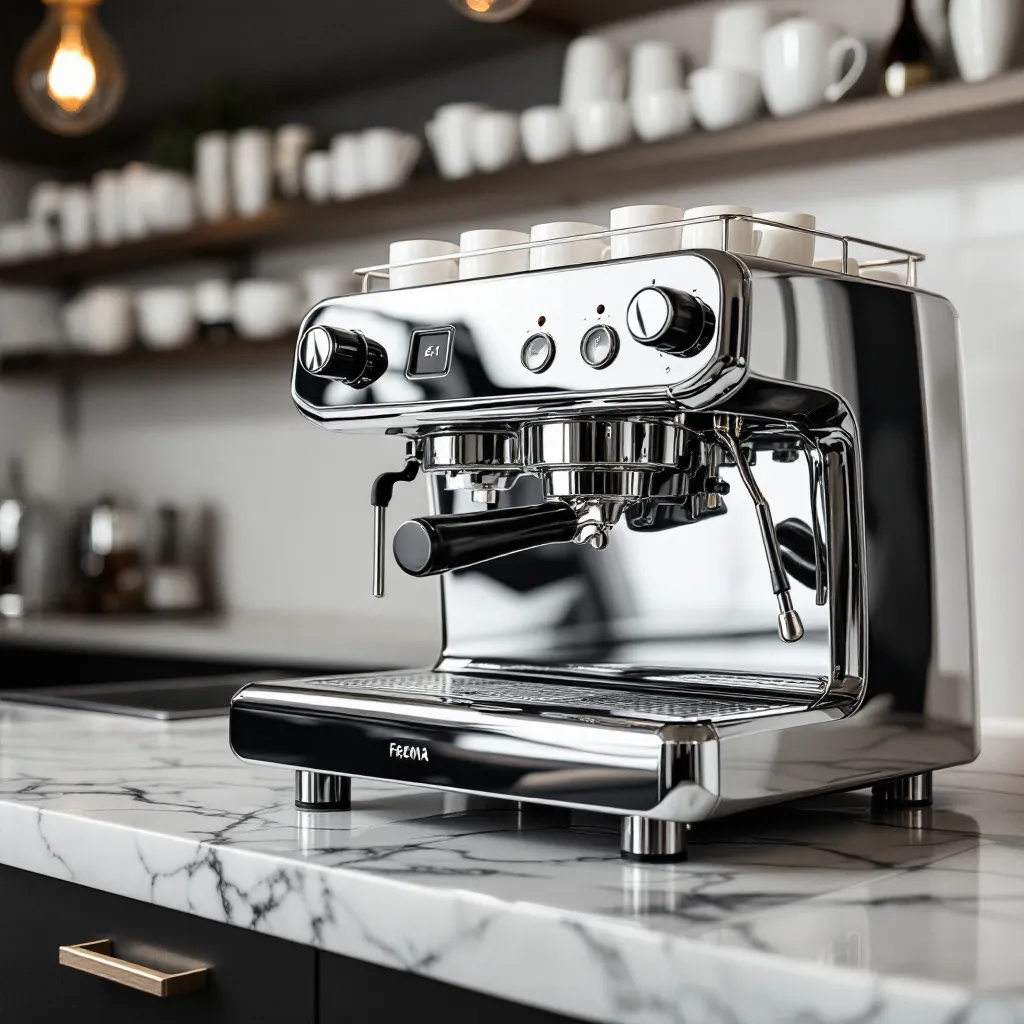
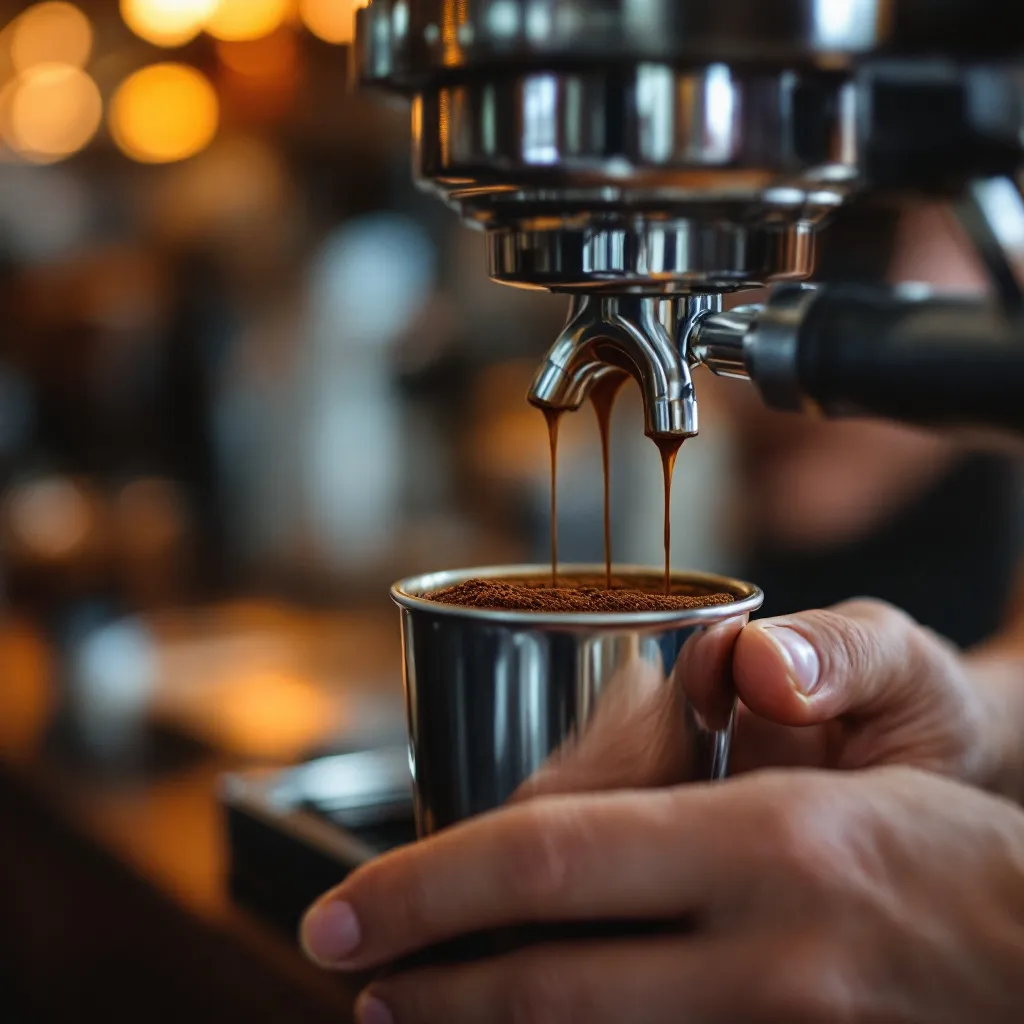
By the 1960s, espresso machines had evolved into gleaming chrome monuments — La Marzocco, Faema E61, each a masterpiece of engineering and design. They sat like altars behind the bar, polished mirrors reflecting the ritual. The E61's thermosyphon system kept water at perfect temperature without electricity; the grouphead became an icon. These weren't appliances — they were the pride of every café, symbols of craftsmanship and Italian ingenuity.
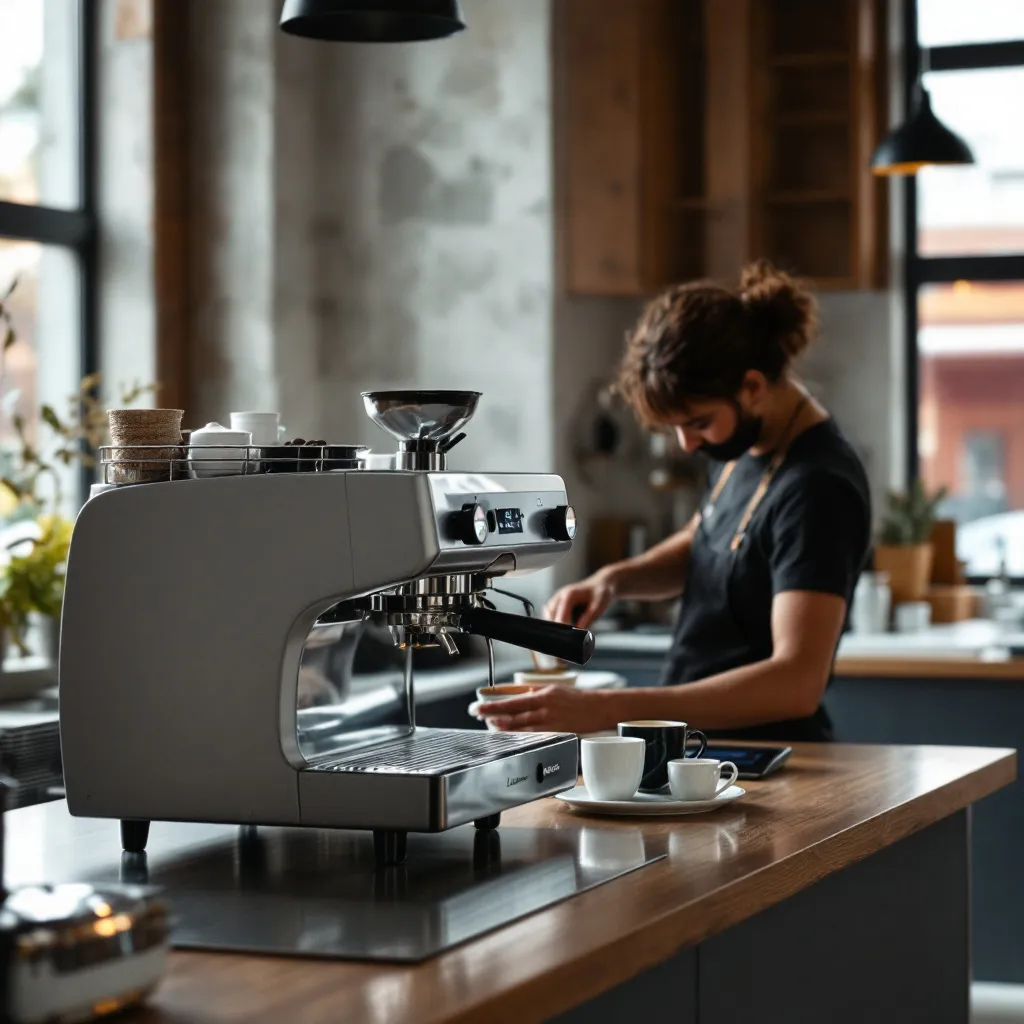
From Milan to Melbourne, Seattle to São Paulo, espresso spread across the globe in the late 20th century. Each culture adapted it: the cortado in Spain, the flat white in Australia, the double-shot Americano in the States. But the core remained Italian — that precise 25-second extraction, nine bars of pressure, 25 milliliters of liquid silk. The Third Wave embraced single-origin beans and pour-over precision, but even the most experimental roaster bows to espresso's unforgiving standards.
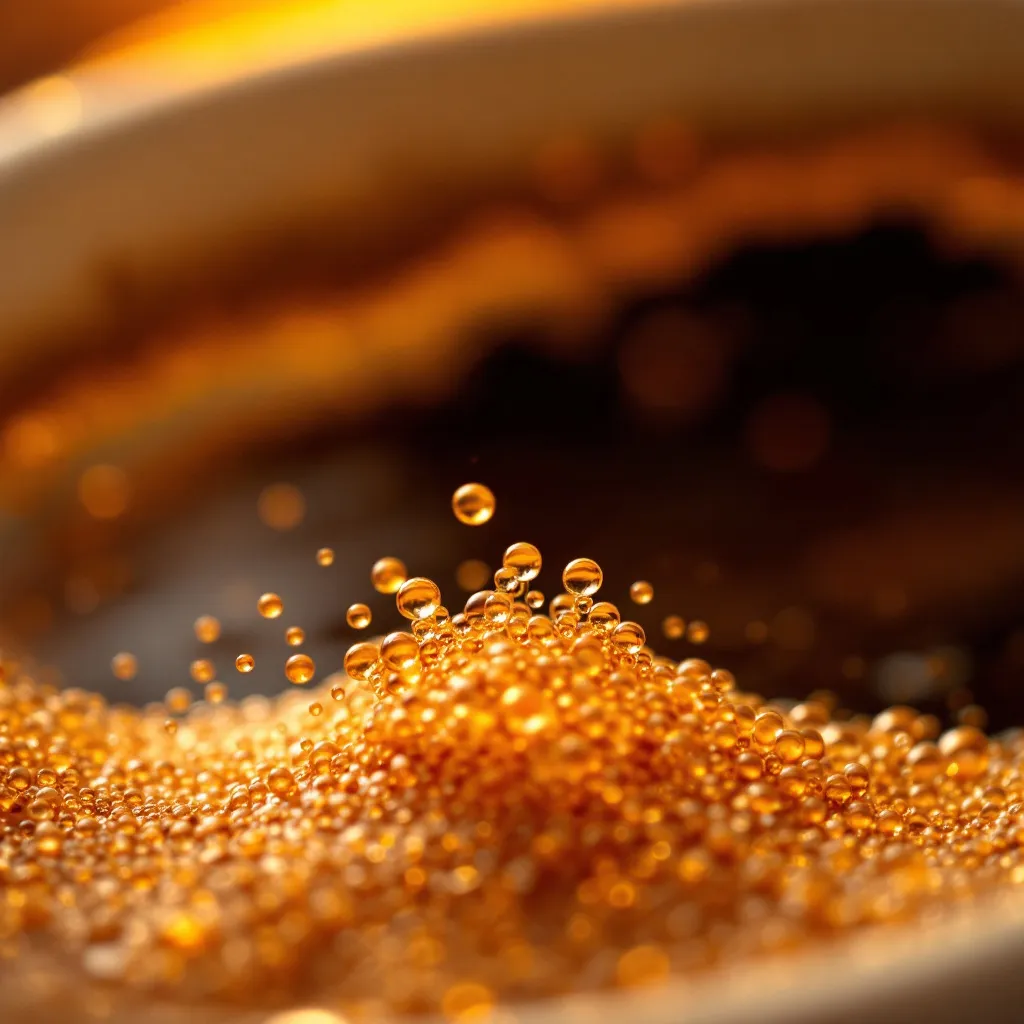
Nine bars of pressure forcing water at 90–96°C through finely-ground coffee for 20–30 seconds extracts oils, sugars, and CO₂ that create crema. The Maillard reaction during roasting produces over 800 aromatic compounds, more than wine. This precise choreography of heat, pressure, and time transforms humble beans into liquid gold, each variable calibrated to unlock flavor molecules that dissolve only under these exact conditions.
Espresso is not fuel, it's ceremony — a pause engineered into the Italian day, a social contract between barista and customer, a shared moment of excellence. It taught the world that quality could be delivered in 25 seconds, that rituals don't require hours, that intensity matters more than volume. In those fleeting moments at the bar, we find connection, craft, and the distilled essence of a culture that values doing one thing extraordinarily well.
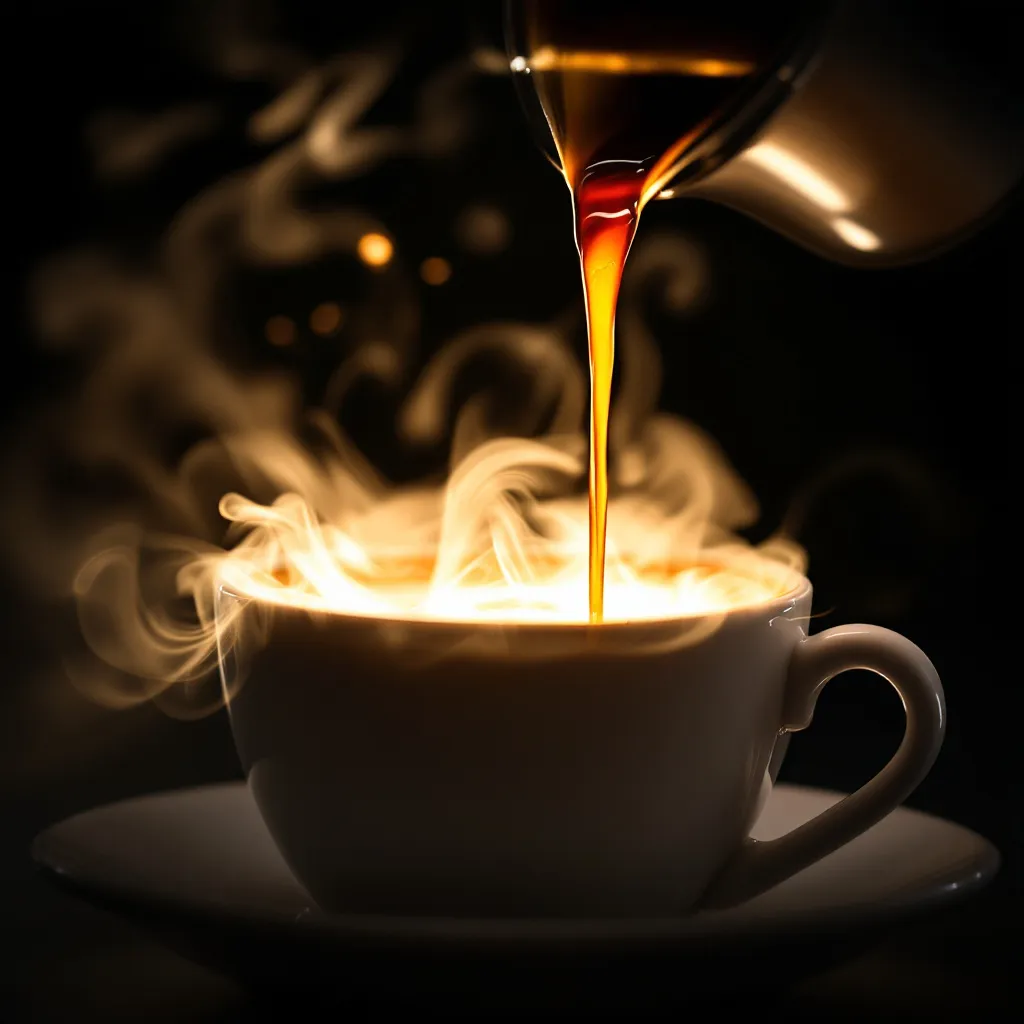
The principles that transformed espresso from experiment to art form
The precise force that extracts essence from ground beans — Gaggia's revelation that nine atmospheres could coax crema from coffee, turning physics into flavor.
The brief marriage of water and coffee — twenty-five seconds to extract complexity without bitterness, a window so narrow it demands mastery.
The thermal threshold where oils bloom and aromatics awaken — just below boiling, where science becomes sensory poetry in a porcelain cup.
Step into the tradition — brew espresso with soul.